
The Bottom Line First
Twenty grams of protein is not a magic cutoff. It may be enough for a smaller meal or a lighter person, but many adults over 50 will benefit from roughly 25–35 grams of high-quality protein at a main meal—especially breakfast—while also meeting an appropriate daily total. Body size, food quality, training, appetite, and medical needs all matter.
Adding leucine to a small serving does not automatically turn an incomplete meal into an ideal muscle-building meal. Start with adequate food, distribute it sensibly, and pair it with progressive resistance training.
Why the Answer Changes After 50
Older muscle can become less responsive to a small protein dose, often described as anabolic resistance. That does not mean your muscles stop responding. It means a meal may need enough total protein and essential amino acids to create a useful muscle-protein-building signal.
The daily total still matters most. Meal distribution is a practical second step—not a reason to obsess over a perfect number at every sitting.
A Practical Meal-by-Meal Guide
| Situation | Useful starting point |
|---|---|
| Smaller snack | 10–20 g protein |
| Main meal for many adults 50+ | 25–35 g protein |
| Larger or highly active adult | 30–40 g may fit |
| Daily healthy-aging target | Often 1.0–1.2 g/kg/day |
| Strength training or muscle protection during weight loss | Often 1.2–1.6 g/kg/day when medically appropriate |
These are coaching ranges, not universal prescriptions. Review the complete daily calculation in How Much Protein You Need After 50 to Keep Muscle.
When 20 Grams May Be Enough
A 20-gram serving can still be useful when:
- You are smaller and your total daily target is modest.
- It is a snack between protein-forward meals.
- The food provides all essential amino acids.
- You are adding it to a meal that already contains some protein.
- Appetite makes a larger serving unrealistic.
Twenty grams is far better than a breakfast containing only a few grams. The goal is progress, not dietary perfection.
When 20 Grams May Fall Short
It may be too little when:
- It is the largest protein serving of the day.
- You have a larger body size or train hard.
- You are losing weight and trying to protect lean tissue.
- The meal’s protein comes mostly from small portions of lower-leucine foods.
- Your remaining meals are also protein-light.
For example, sprinkling seeds on oatmeal adds nutrition, but the meal may still need Greek yogurt, milk, eggs, soy foods, or another substantial protein source to reach a useful total.
Protein Quality Without Food Snobbery
“High quality” generally means that a protein provides all essential amino acids in useful proportions and is digestible. Dairy, eggs, fish, poultry, meat, and soy are common examples. Plant-based eating can also support muscle when total protein is adequate and foods are varied.
Practical combinations include:
- Lentils plus whole grains
- Beans with rice and a higher-protein topping
- Tofu or tempeh with quinoa
- Oatmeal made with soy or dairy milk plus Greek yogurt
You do not need to calculate amino acids at every meal. Build the meal around a meaningful protein source rather than treating protein as a garnish.
What About Leucine?
Leucine helps signal muscle protein synthesis. Research has helped create the idea of a meal “threshold,” often around 2.5–3 grams of leucine or roughly 30 grams of high-quality protein for many older adults.
But leucine is a signal, not the entire construction crew. Muscle repair also requires the other essential amino acids, adequate daily nutrition, and a reason to adapt—usually resistance training.
Leucine powder added to a tiny, incomplete meal may increase a short-term signal without proving better long-term muscle mass or strength. Food-first protein is the better foundation for most people.
Five Easy Ways to Reach About 25–35 Grams
- Greek yogurt breakfast: A generous serving of Greek yogurt with milk, fruit, and nuts.
- Egg-and-cottage-cheese plate: Eggs paired with cottage cheese and whole-grain toast.
- Tuna or chicken wrap: A full serving with vegetables and a high-fiber wrap.
- Tofu and edamame bowl: Tofu, edamame, vegetables, and rice or quinoa.
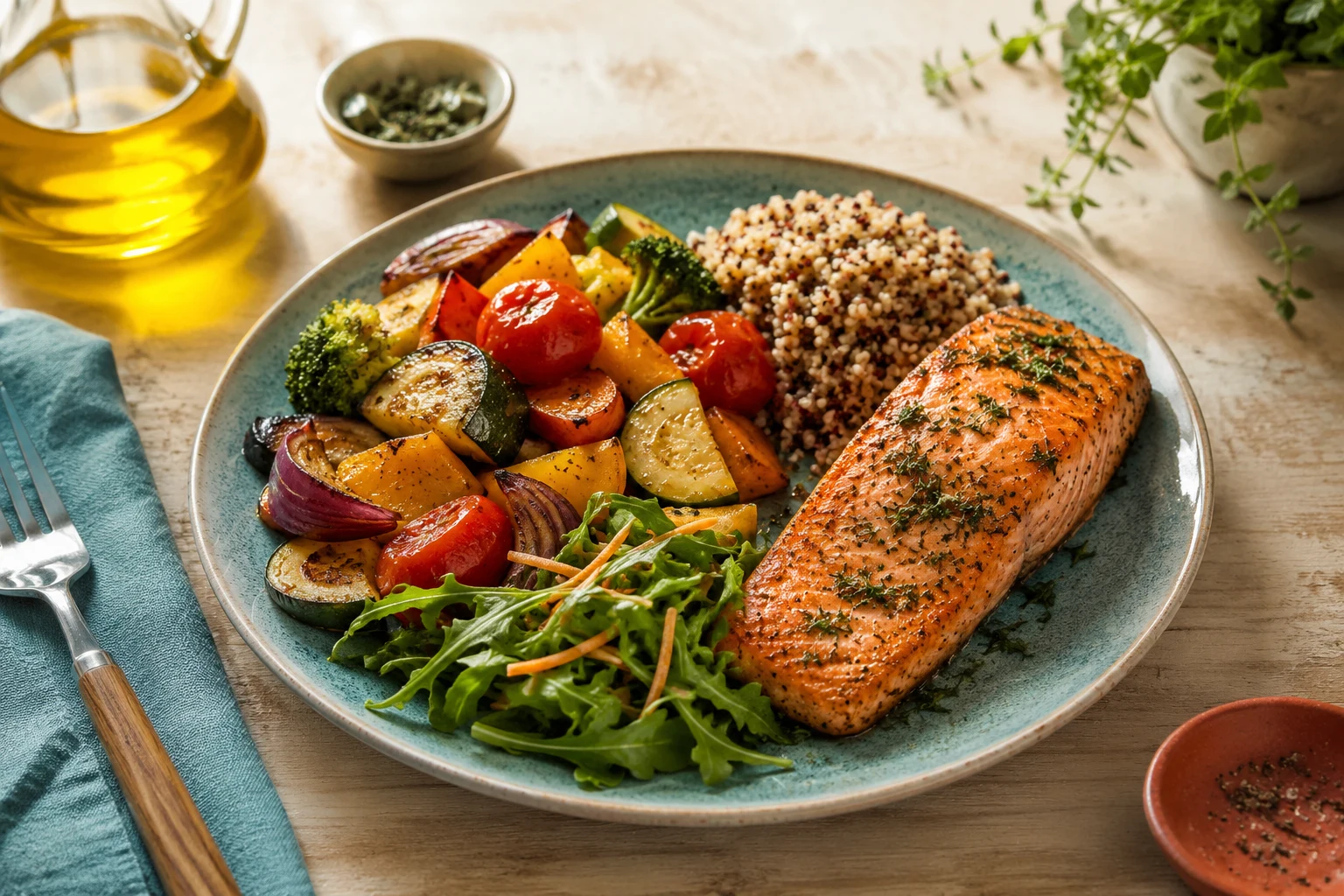
- Fish dinner: Salmon or another fish with vegetables and potatoes or grains.
Labels and portions vary, so check the package rather than relying on a generic online number.
A Simple Protein Audit
For three ordinary days:
- Write down the protein grams at breakfast, lunch, dinner, and snacks.
- Compare the total with your medically appropriate daily target.
- Find the weakest meal—often breakfast.
- Add 10–15 grams there before buying another supplement.
- Recheck the total and how the meals fit your appetite.
Coach Bob’s Takeaway
Twenty grams is neither “bad” nor automatically enough. Build the daily total first, then improve the meals that consistently come up short. Combine adequate protein with two or more weekly strength sessions when appropriate.
Want easier protein-forward meals without doing the math from scratch? [Explore NutriPlanPro for practical meal-planning support](/nutriplanpro).
Research Sources
- Protein quantity and distribution review
- PROT-AGE protein recommendations for older adults
- Leucine supplementation during disuse in older adults
This article is educational and is not individualized nutrition or medical advice. Higher-protein targets and supplements require clinician guidance with kidney disease, liver disease, prescribed protein restrictions, abnormal potassium or phosphorus levels, or medications and conditions that alter nutrition needs.