The Bottom Line First
Adults over 50 can build fitness with a plan that matches current ability and progresses gradually. Strength, mobility, balance, and aerobic activity can support daily function and confidence. Choose movements you can control, leave room for recovery, and ask a clinician what is appropriate when symptoms or health conditions affect exercise.
Why Workouts for Seniors Over 50 Matter
As we age, muscle mass can decrease, bones can become more fragile, and recovery needs change. Regular exercise supports muscle strength, balance, heart health, mood, and mental clarity.
How to Start Your Fitness Journey After 50
Set realistic goals and write them down. Choose activities you enjoy, such as walking, hiking, gardening, yoga, Pilates, or light strength training. Warm up and cool down for every session.
If you are returning after a break, this joint-conscious fitness restart after 50 offers a gradual place to begin. If a busy schedule is getting in the way, this guide to starting exercise with the time you have offers practical ways to build gradually.
Building Strength and Flexibility Safely
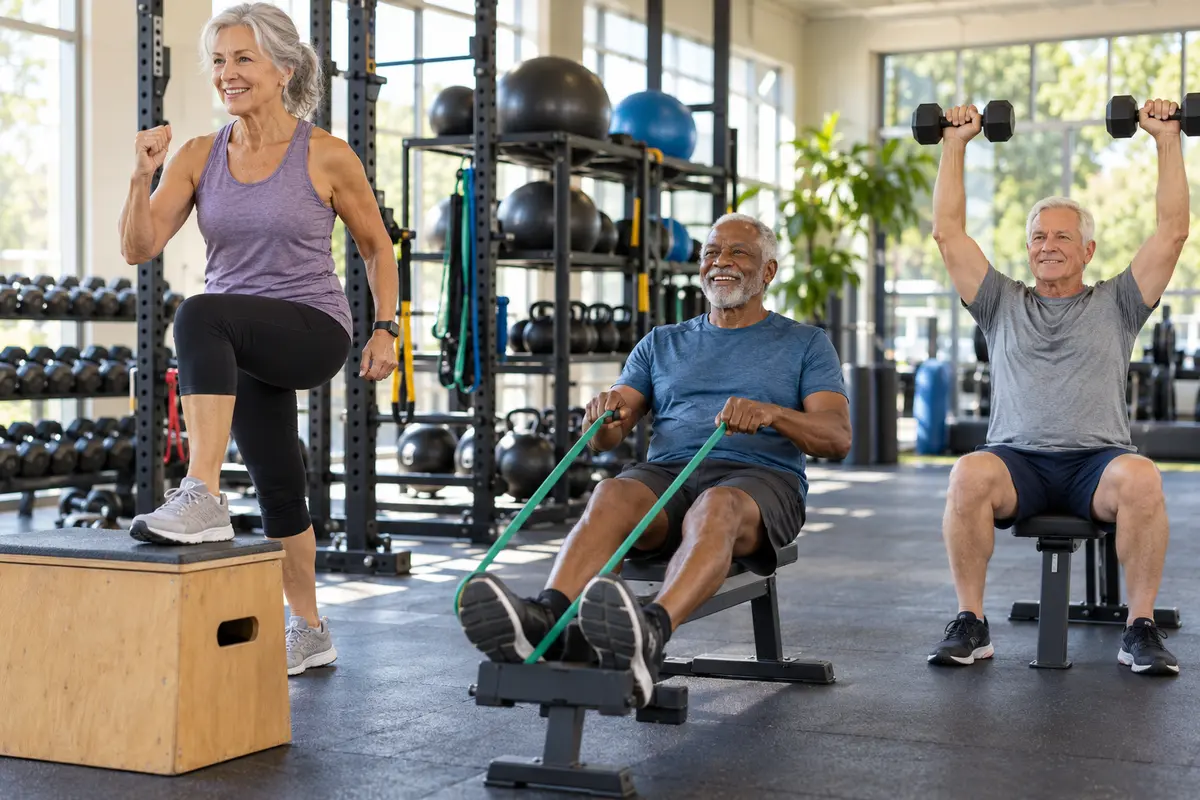
Start with bodyweight exercises such as squats, wall push-ups, and seated leg lifts. Progress to resistance bands or light dumbbells when your form is comfortable. Stretch regularly without bouncing, and include balance exercises such as standing on one foot near a sturdy support or practicing heel-to-toe walking.
Nutrition Tips to Support Your Fitness Goals
Build meals around vegetables, fruit, lean proteins, whole grains, and healthy fats. Stay hydrated and limit heavily processed foods, excess added sugar, and high-sodium choices when advised by your healthcare team.
Staying Motivated and Consistent
Find a workout buddy or class. Track your workouts and celebrate milestones. Remind yourself why you started.
You can also choose a time that fits your routine; this review of exercise timing after 60 suggests that chasing a personal peak hour may not be necessary.
The Importance of Mindset
A positive, realistic mindset supports consistency. Surround yourself with people and resources that encourage steady progress rather than perfection.
Setting Realistic Expectations
Progress may be slow, and setbacks are part of the process. Acknowledge them, learn, and continue.
Exploring New Activities
Dance classes, tai chi, or martial arts can keep movement fresh and create social connection.
The Role of Rest and Recovery
Schedule rest days. Gentle stretching or leisurely walks can support recovery without adding heavy strain.
Your Fitness Journey Awaits
It is never too late to start. Every manageable step brings you closer to your goals.