
The Bottom Line First
For many adults over 50, planning meals is more useful than logging food after the fact. Start with a clear protein source at each main meal, add produce and a satisfying carbohydrate or healthy fat, and adjust portions to your appetite, body size, activity, and health needs.
Expert guidance from the PROT-AGE group suggests that many healthy older adults may benefit from roughly 1.0–1.2 grams of protein per kilogram of body weight per day, with higher needs sometimes considered for active people or during illness under appropriate clinical guidance. Read the position paper. This is a planning range—not a prescription for everyone.
Find a Practical Daily Range
To convert pounds to kilograms, divide your body weight by 2.2. Then multiply that number by 1.0 and 1.2.
| Body weight | Approximate planning range at 1.0–1.2 g/kg/day |
|---|---|
| 130 lb | 59–71 g protein |
| 160 lb | 73–87 g protein |
| 190 lb | 86–104 g protein |
| 220 lb | 100–120 g protein |
These numbers are starting points. People with kidney disease, liver disease, swallowing difficulty, significant unintended weight loss, or other medical conditions should get individualized guidance from a physician or registered dietitian before changing protein intake.
Why Meal Planning Beats Chasing a Perfect Number
Food logging can reveal patterns, but it happens after the decision. A plan answers the harder question earlier: “What am I going to eat when I am busy, tired, or hungry?”
Aim to distribute protein across two or three meals instead of trying to repair the entire day at dinner. Many people will land somewhere around 25–35 grams at a main meal, but body size and total target matter. A smaller adult may need less; a larger or highly active adult may need more.
You do not need to sprinkle leucine onto an otherwise inadequate diet or buy a special supplement. Protein quality, total intake, enough calories, progressive resistance training, and consistency matter more than a single ingredient.
The Mix-and-Match Meal Formula
Build each main meal from four parts:
- Protein anchor: eggs, Greek yogurt, cottage cheese, poultry, fish, lean meat, tofu, tempeh, beans, lentils, or another option you tolerate.
- Produce: vegetables or fruit for fiber, color, and variety.
- Useful energy: oats, potatoes, rice, quinoa, whole-grain bread, fruit, or another carbohydrate that fits your needs.
- Flavor and satisfaction: olive oil, avocado, nuts, seeds, herbs, spices, or a favorite sauce in an appropriate portion.
The protein amounts below are estimates because brands and portions vary. Check the package or recipe when you need precision.
A Flexible 7-Day Protein-Smart Plan
| Day | Breakfast | Lunch | Dinner |
|---|---|---|---|
| 1 | Greek yogurt, berries, oats, and nuts | Turkey or tofu wrap with vegetables | Salmon, potatoes, and green beans |
| 2 | Two eggs plus egg whites, toast, and fruit | Lentil soup with cottage cheese or yogurt | Chicken or tempeh stir-fry with rice |
| 3 | Cottage cheese bowl with fruit and seeds | Tuna, chickpea, or edamame salad | Lean beef or bean chili with vegetables |
| 4 | Oatmeal made with milk plus Greek yogurt | Leftover chili over a baked potato | Baked cod or tofu, quinoa, and broccoli |
| 5 | Smoothie with milk or soy milk, yogurt, fruit, and oats | Chicken, tofu, or bean grain bowl | Turkey meatballs or lentil patties with pasta and salad |
| 6 | Egg-and-vegetable breakfast sandwich | Salmon, tuna, tofu, or white-bean salad on toast | Sheet-pan chicken or tempeh with vegetables and potatoes |
| 7 | Greek yogurt or cottage cheese parfait | Leftover protein bowl with vegetables | Flexible family meal using the four-part formula |
If three full meals do not fit your appetite, use two meals plus a protein-containing snack such as Greek yogurt, cottage cheese, milk or fortified soy milk, edamame, eggs, tuna, or a simple shake when food is inconvenient.
Five Easy High-Protein Meals
1. Greek Yogurt Power Bowl
Combine a generous serving of plain Greek yogurt with berries, oats, and chopped nuts. Choose a yogurt with a protein amount that helps close your meal gap.
2. Egg-and-Bean Breakfast Plate
Pair eggs with black beans, salsa, and whole-grain toast. Add egg whites if you want more protein without making the meal much larger.
3. Rotisserie Chicken Grain Bowl
Use skinless chicken, microwaveable brown rice or quinoa, bagged vegetables, and a simple dressing. This is a useful “low-energy day” meal that takes only minutes.
4. Salmon or Tofu Sheet-Pan Dinner
Roast salmon or seasoned tofu with frozen or fresh vegetables and small potatoes. Make two portions so tomorrow’s lunch is already planned.
5. Lentil Soup Upgrade
Add shredded chicken, tofu, edamame, Greek yogurt, or cottage cheese on the side. Plant proteins count; combining them across a varied diet helps cover essential amino acids.
Shop Once, Decide Less
Keep two breakfast anchors, two quick lunches, and three dinner proteins available each week. Frozen vegetables, canned beans, pouch tuna or salmon, eggs, yogurt, tofu, and pre-cooked grains can reduce preparation without turning the diet into “processed food versus real food.”
Before shopping, choose the seven dinner anchors. Lunch can often be leftovers, and breakfast can repeat. Repetition is not failure—it is a tool for consistency.
Pair the Plan With Strength Training
Protein supports the repair and adaptation created by training. It does not replace the training signal. Aim for progressive resistance exercise that covers the major muscle groups, scaled to your experience and health.
If appetite is low, prioritize nutrient-dense meals and speak with a healthcare professional about unexplained weight loss. If calories are too low, simply raising protein may not fully support recovery.
Coach Bob’s Takeaway
Do not wait until bedtime to discover that the day was low in protein. Put the protein anchor on tomorrow’s plan first, keep convenient choices available, and let the rest of the meal form around it.
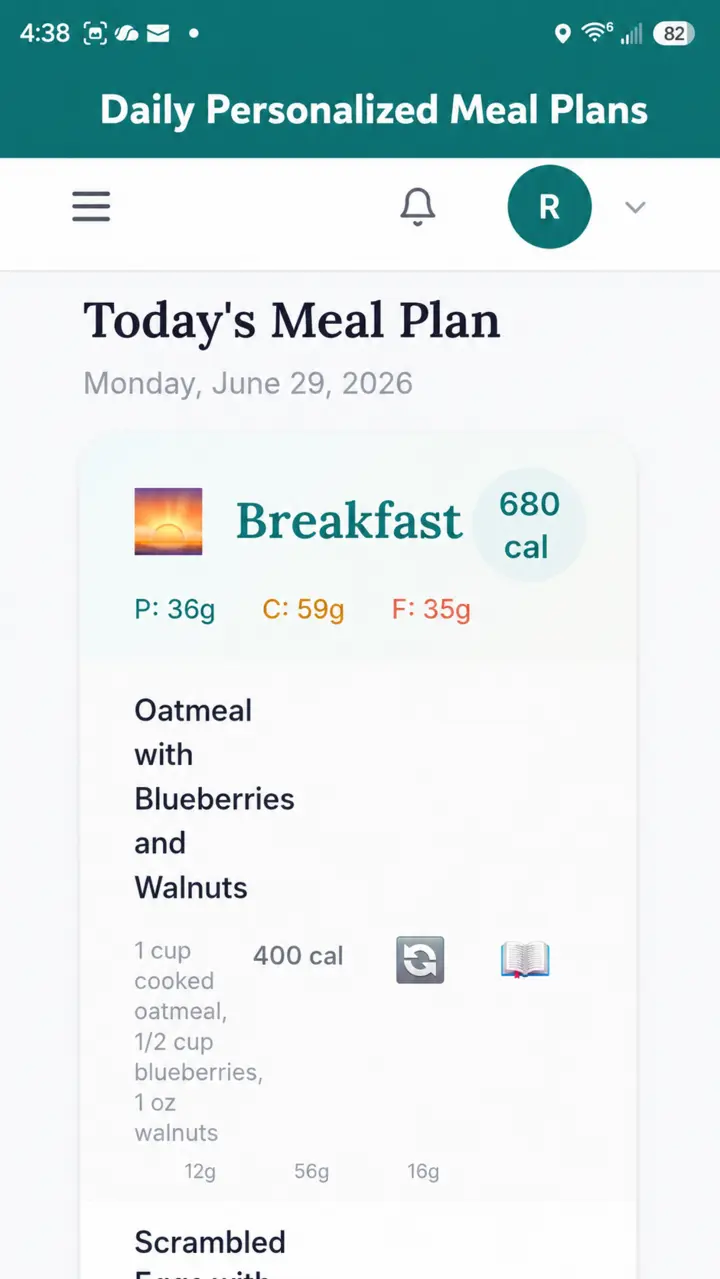
Explore NutriPlanPro 50+ to organize practical meal plans, protein-forward choices, and meal swaps before hunger makes the decision for you. You can also start the seven-day free trial on Android.
This article is for general education and is not medical advice. Nutrition needs vary, and medical conditions or medications can change the appropriate plan.